
Key takeaways
- Award season prep starts 6–8 weeks before the event, with separate timelines for skincare treatments, hair conditioning, and makeup testing coordinated across the entire glam team.
- Professional treatments like hydrafacials ($75–$200) and LED therapy scale from weeks one through three; retinoids and active acids pause two weeks out to prevent sensitivity.
- Makeup testing happens under the actual venue lighting, not home lighting, because cool-toned lips read washed out indoors and warm eyeshadow photographs orange under certain TV lights.
- A full dress rehearsal 3–4 days before coordinates hair, makeup, and styling to catch conflicts; timing is locked in so hair finishes 45–90 minutes before the event and makeup applies in the final 30–45 minutes.
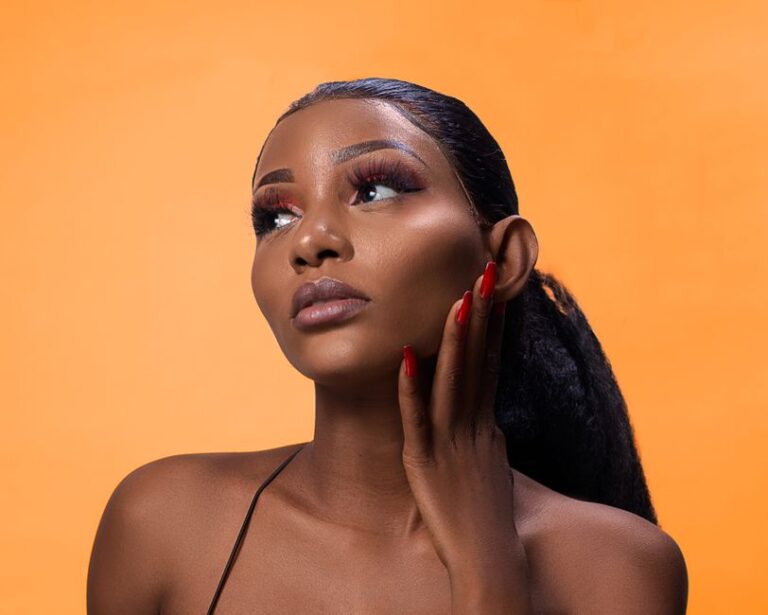
Award season preparation in celebrity beauty circles follows a methodical timeline that begins weeks before the red carpet, involving skincare intensives, hair conditioning, makeup testing, and coordinated rehearsals between the stylist, makeup artist, and hairstylist. What appears effortless on camera requires precision scheduling, specific product protocols, and multiple contingency plans.
The Six-Week Beauty Timeline
Professional beauty teams typically begin award season preparation six to eight weeks before the event. The first two weeks focus on establishing a skincare baseline and scheduling professional treatments. Makeup artists schedule their initial consultation with the client during week two, while the hairstylist assesses current hair health and discusses options like extensions or color refreshes. This staggered approach prevents overlap and allows each team member to address specific needs.
Weeks three and four intensify skincare treatments while hair conditioning protocols begin. Weekly appointments replace sporadic ones. Makeup testing starts in earnest during week four, with the makeup artist creating multiple mock-ups to test both the dress color and lighting conditions at the actual venue. By week five, a full dress rehearsal coordinating hair, makeup, and styling takes place, ideally at the event location or a space with comparable lighting.
Skincare Intensive: Building the Canvas
Award season skincare prep is not about last-minute dramatic interventions but rather consistent, layered treatments building outward from the deepest skin layers. Dermatologists and estheticians designing these protocols typically start with exfoliation and hydration-focused treatments in week one, then introduce more active procedures by week three once the skin barrier has stabilized.
Professional Treatments
Hydrafacials appear frequently in pre-award season routines because they combine suction exfoliation with hydrating serums and can be performed weekly without irritation. The treatment runs $75–$200 per session depending on the clinic and add-ons like LED therapy, which adds $25–$75. LED red light therapy, offered as a standalone treatment ($50–$150 per session) or as a facial add-on, addresses inflammation and promotes collagen remodeling—particularly useful starting four to six weeks out. Microneedling ($300–$700 per session depending on needle depth) is typically scheduled earlier in the prep timeline (weeks one to three) to allow any minor redness to resolve. Vampire facials (PRP or platelet-rich plasma microneedling, $600–$1,500) are less common for award season specifically because the healing timeline is less predictable, though some teams schedule them six weeks out as insurance.
At-Home Serums and Masks
Between professional treatments, consistent at-home layering drives results. SK-II Facial Treatment Essence ($75–$100 for 150ml) appears in multiple celebrity skincare regimens, applied twice daily as a hydrating base under serums. Serums targeting specific concerns rotate through the protocol: vitamin C derivatives (like SkinCeuticals C E Ferulic, $170) for brightness; niacinamide serums for pore refinement; hyaluronic acid for plumping. Augustinus Bader The Rich Cream ($95 for 50ml) is chosen by dermatologists preparing skin for events because it combines ceramides, probiotics, and amino acids without triggering sensitivity reactions. Sheet masks (Tatcha Luminous Deepsea Facial Treatment Mask, $10–$12 per mask, or SK-II Facial Treatment Mask, $12–$15 each) are used twice weekly, often refrigerated for de-puffing benefits.
Timing Actives Strategically
Retinoids and acids, which can increase sun sensitivity, are typically reduced or paused two weeks before the event. Vitamin A derivatives like retinol are dialed back to twice weekly instead of nightly. Glycolic or salicylic acid toners pause entirely during the final two weeks. Sunscreen becomes non-negotiable year-round but especially during the final four weeks: physical formulas with zinc oxide or titanium dioxide (rather than chemical sunscreens) reduce the risk of photosensitivity reactions.
Hair Health and Styling Strategy
Hair preparation parallels skincare in starting six weeks out, but the focus shifts based on whether the look requires length, texture change, or color refresh. A hairstylist typically photographs the client’s current hair texture, length, and condition during the first consultation, then plans backward from the target look.
Conditioning and Repair Treatments
Professional conditioning treatments intensify during weeks one through four. Olaplex No. 3 Hair Perfecting Treatment ($28 for 100ml, used weekly at home) and Kérastase Elixir Ultime L’Huile Originale ($48 for 100ml, applied to mid-lengths and ends 2–3 times weekly) rebuild structural integrity in hair damaged by heat styling or color. In-salon deep conditioning treatments like Olaplex take-home (or similar repair masques at $40–$80 per treatment) are scheduled every 7–10 days. Color-treated or previously bleached hair gets chelating or clarifying treatments at weeks two and five to remove mineral buildup and restore vibrancy.
Extensions and Texture Planning
If the final look requires hair extensions (for length, volume, or dramatic styling), installation happens no earlier than two weeks before to minimize shedding and maintain a natural root blend. Extensions are matched to the client’s exact base color and thickness; premature installation creates visible grow-out. Alternatively, if the desired look involves a major texture shift (straight to curly, curly to sleek), a blow-out or keratin treatment is scheduled for the week before, not the day of, allowing time for the treatment to fully set and any initial fragrance to dissipate.
Makeup Testing and Product Selection
The makeup artist’s role extends far beyond day-of application: they identify products, shades, and formulas that will survive the specific conditions of the event (outdoor red carpet, indoor venue, climate-controlled reception). Testing begins in week four and repeats at least twice before the final look.
Foundation and Base Matching
Foundation selection accounts for the venue’s lighting and the dress color. The makeup artist brings swatches of candidate foundations (often three to five options from brands like MAC Face & Body, Giorgio Armani Luminous Silk, or NARS Dewy Radiant Foundation, priced $35–$60) and applies them under the actual dress fabric or near it in different lighting conditions. Foundations are tested for oxidation over 8–10 hours; some shades shift warmer or cooler as they oxidize on skin. Concealer is tested alongside foundation, as is powder (or powder-less alternatives). Setting spray—often MAC Fix+, Urban Decay All Nighter, or Mario Badescu Rose Water Spray ($4–$10)—is incorporated into testing to assess how the base holds under heat and humidity.
Color Testing Under Event Lighting
Eyeshadow and lip color are tested not in home lighting but under the actual venue’s lighting or a close simulation. A makeup artist may visit the venue days before or request high-resolution photos of the red carpet and event space to inform color choice. Warm, golden eyeshadow can photograph orange under certain TV lighting; cool-toned lip colors can appear washed out indoors. Multiple colors are swatched, photographed, and compared against the dress and skin tone in these conditions.
Longevity and Touch-Up Planning
Mascara, eyeliner, and lip products are worn during a test run that simulates event conditions: sitting, moving, smiling, and eating. Waterproof or hybrid formulas (like Bobbi Brown Perfectly Defined Long-Wear Mascara, $26, or Charlotte Tilbury Eyes to Mesmerize, $48) are prioritized if the event involves emotional moments or prolonged red carpet exposure. A master lip color is selected alongside two to three backup shades, with lip liners chosen for precision and longevity. Cream blushes are tested against powder options; cream formulas (NARS Multi, $30; Rare Beauty Soft Pinch Liquid Blush, $19) offer better color accuracy under high-definition cameras, though they require more setting powder to prevent shine migration.
The Dress Rehearsal and Coordination
A full dress rehearsal typically occurs three to four days before the event, with the stylist, makeup artist, and hairstylist present simultaneously. The client wears the actual dress (or a fabric mock-up if the final gown isn’t yet finished), jewelry, and shoes. This rehearsal identifies conflicts: a hairstyle that looks flawless but catches on the dress neckline, makeup that appears different when the dress is on, or jewelry that visually competes with the makeup.
Photos from the rehearsal are taken under the intended venue lighting (or simulated with professional lighting rigs) and reviewed on large screens to catch details the human eye might miss in person. Any adjustments—a softened edge here, a shifted color there—are noted for the final execution. The team also confirms timing: if hair takes 45 minutes and makeup takes 50 minutes, and hair must be completed before makeup can fully begin, the call time is set accordingly.
Day-Of Execution and Contingency
On event day, the makeup artist and hairstylist arrive with duplicate products and backup options. A second foundation shade (one slightly lighter or darker) is available in case the client slept poorly or skin tone shifted. Backup mascara, an extra lip color, and spare bobby pins are kept within arm’s reach. Setting spray is applied in layers throughout the process, not just at the end, to lock each step in place.
Timing is precise: hair typically completes 45–90 minutes before the event begins, followed by makeup in the final 30–45 minutes. This buffer prevents makeup from being affected by heat from hair tools or steam from showers. Jewelry and final touch-ups happen in the final 10 minutes, after the client is fully dressed.
A compact touch-up kit accompanies the client to the event, containing the chosen lip color, blotting papers, setting spray, mascara, and concealer for any minor repairs. The makeup artist often remains on-site during the red carpet and early reception, available for quick adjustments. This layered, methodical approach explains why award season beauty appears effortless: the work is frontloaded, tested, and contingency-planned months before the photograph is taken.
Frequently Asked Questions
When should someone start preparing their look for an award show?
Professional teams begin six to eight weeks before the event, starting with skincare baselines and scheduling professional treatments (hydrafacials, LED therapy, microneedling) during weeks one and two, then layering makeup and hair testing during weeks three through five.
Why do makeup artists test products under venue lighting instead of in natural light?
Colors photograph differently under TV and event-space lighting; warm eyeshadow can appear orange under certain lights, and cool-toned lip colors often appear washed out indoors. Testing under actual venue conditions (or high-resolution photos of the space) ensures the final look photographs correctly.
What products are typically avoided during the final weeks before an event?
Retinoids and acids like glycolic and salicylic acid are reduced or paused two weeks before to prevent increased sun sensitivity and potential irritation that could compromise skin texture or create redness on camera.
